All Categories
Featured


Could PDR Save Your 2026 Automobile from the Scrap Load?
Table of Contents

Examining Automobile Damage in the local market
Vehicle owners in any metropolitan area deal with a complex choice when metal satisfies ice or asphalt in 2026. Insurer now count on automated appraisal algorithms that in some cases ignore the precision of specialized repair work techniques. A single afternoon of extreme weather in the surrounding region frequently results in countless claims where the distinction between an amounted to lorry and a restorable possession is razor-thin. Comprehending how adjusters calculate these worths assists customers press back against premature overall loss designations that may not be in their best financial interest.
The computation for a total loss has changed considerably over the last few years. Typically, if the expense to fix a cars and truck surpassed a specific percentage of its real money value-- usually in between 70% and 80%-- the insurer would cut a check and send the vehicle to a salvage auction. In 2026, the high expense of replacement parts and the complexity of incorporated electronics have pushed numerous cars toward the "totaled" category much faster than in previous decades. A small impact that displaces a sensor-laden bumper or a lidar-equipped headlight can lead to a repair expense that measures up to the automobile's market worth.
Customers often feel pressured to accept the very first deal from an insurance provider, however advocacy for repair openness is growing. Numerous motorists choose to keep their automobiles, specifically if the damage is mainly cosmetic. This is where the option in between traditional bodywork and specialized approaches like professional dent repair ends up being an important element in the cars and truck's survival.
The Increase of Precision Paintless Repair in 2026
Paintless Dent Repair, or PDR, has reached a brand-new level of elegance. Professionals now use 3D surface mapping and thermal imaging to determine if the metal's molecular structure is still undamaged. This innovation permits the elimination of significant dents that would have required panel replacement just a couple of years earlier. When insurance adjusters assess Mobile Ding Repair, they should account for these non-invasive techniques that prevent the requirement for structural cutting or repainting.

One of the main advantages of PDR is the preservation of the factory finish. In 2026, vehicle paint is more than simply a color; it is a multi-layered protective coating that includes UV blockers and ceramic properties created to last the life of the automobile. Once a panel is sanded and repainted in a conventional body store, it seldom matches the resilience of the original factory application. By choosing PDR in the local area, owners keep the automobile's integrity and prevent the "decreased worth" that comes with a history of significant bodywork.
The financial argument for PDR is similarly strong. Since it needs fewer materials-- no fillers, primers, or costly paint blends-- the labor-heavy procedure is frequently considerably more affordable than conventional techniques. This lower expense can keep a repair work estimate listed below the total loss limit, permitting the owner to maintain their automobile rather than starting the challenging procedure of searching for a replacement in an unstable 2026 used automobile market.
Technology and Overall Loss Limits
Insurance coverage providers in the current region are progressively utilizing AI-driven picture appraisals to approximate damage. While these tools are fast, they typically stop working to differentiate in between a dent that has actually "extended" the metal and one that can be rubbed back into place. A digital algorithm might see a large hail indentation on a hood and immediately trigger a replacement part order, including the cost of paint and mixing into the fenders. A human expert might look at the very same damage and identify it is a perfect prospect for PDR.
Transparency in these assessments is a cornerstone of consumer protection. Vehicle owners deserve to request a physical assessment by a technician who understands the limitations of modern metalwork. If the insurance provider demands totaling the vehicle based upon an inflated conventional repair price quote, the owner can provide a PDR quote as a counter-argument. This shift in point of view typically conserves automobiles that are otherwise mechanically ideal.
Modern vehicles likewise include high-strength, thin-gauge steel and aluminum alloys. These products require specific tools and temperature levels to move without breaking. Experts concentrated on Mobile Ding Repair are trained to deal with these 2026 material requirements, making sure that the repair is not just cosmetic but structurally sound. If a repair work can not be done safely, a trusted professional will be the very first to suggest an overall loss, providing the owner with a sincere evaluation of the car's security.
Advocating for Your Automobile's Value
Retaining an automobile after a hail storm or small collision in the region includes more than just repairing the surface. It has to do with securing the property's long-lasting worth. When a car is amounted to, the owner frequently loses the value of current upkeep, brand-new tires, or aftermarket upgrades that insurance payouts rarely cover completely. By selecting a repair that stays under the total loss limit, the owner keeps those financial investments.
Repair transparency also implies understanding the "salvage buy-back" option. If an insurer totals a car, the owner can sometimes buy the lorry back for its scrap value. If the damage was simply aesthetic and can be fixed with specialized dent removal, this can be a financially savvy relocation. However, the owner needs to know that the automobile will then bring a top quality title, which affects future resale and insurance coverage choices. These are the kinds of information that consumer advocates motivate drivers to examine before signing any settlement papers.
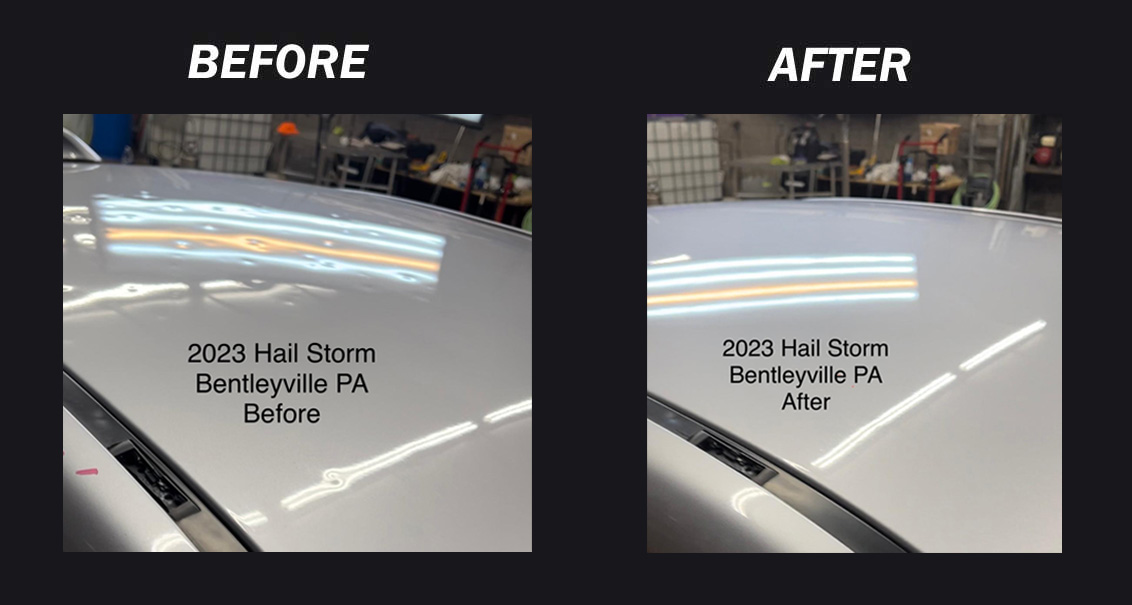
The environmental effect of these choices is another element acquiring attention in 2026. Amounting to an automobile produces a huge amount of waste, from the fluids and plastics to the energy needed to recycle the metal. PDR is the greenest repair approach offered since it produces zero chemical waste and utilizes extremely little energy. Choosing to fix rather than change aligns with the more comprehensive relocation toward sustainability in the local community.
Last Considerations for the 2026 Cars and truck Owner
Security systems remain the most important variable in the repair vs. overall loss formula. Any accident repair in 2026 need to include a full scan of the vehicle's computer systems. Even if a damage is removed completely through PDR, the surrounding sensors need to be adjusted to make sure the lane-departure and emergency braking systems work properly. A trustworthy shop will consist of these calibrations in their price quote, offering a holistic view of the lorry's health.
Chauffeurs should try to find stores that focus on communication and supply detailed explanations of their procedures. The objective of expert vehicle restoration ought to constantly be to return the automobile to its pre-accident condition without unneeded intervention. Whether handling a fleet of cars and trucks or a single household SUV, the focus should stay on quality and the owner's rights.
As 2026 advances, the tools and methods readily available to customers will continue to improve. Staying notified about the capabilities of PDR and the specifics of insurance law in the region empowers automobile owners to make decisions based on truths instead of pressure. A totaled car is a substantial loss, however with the best knowledge, a number of those vehicles can be conserved, brought back, and kept the road for many years to come.

Latest Posts

Salvaging Your Vehicle: When PDR Defies Total Loss Quotes

Conquering Denied Hail Claims with Expert PDR Documents
Stop Fearing completion of Your Automobile Lease with PDR