All Categories
Featured


Salvaging Your Vehicle: When PDR Defies Total Loss Quotes
Table of Contents
- – The State of Hail Recovery in 2026
- – Evaluating Structural Integrity and Effect Damage
- – Recognizing Predatory Solicitation Patterns
- – The Modern Claims Process and Digital Document...
- – Technical Standards in Paintless Damage Repai...
- – Contractual Protections and Customer Rights
- – The Role of Independent Appraisers and Public...
- – Long-Term Value Retention Post-Restoration

The State of Hail Recovery in 2026
Hail frequency in 2026 has actually reached levels that need a systematic approach to residential or commercial property and lorry healing. Homeowner in the local area often discover themselves captured in between aggressive solicitation and complex insurance requirements right away following a storm. This handbook supplies a structure for navigating these challenges with a concentrate on transparency and technical accuracy.Restoration transparency remains a main concern for consumers. The 2026 season has actually seen a shift toward more technical documents requirements from insurance providers. Adjusters now prioritize high-resolution imagery and sensing unit data over simple visual evaluations. For those handling a claim in the surrounding region, understanding the difference in between cosmetic blemishes and structural compromises is the very first step toward an effective repair.
Evaluating Structural Integrity and Effect Damage
Hail damage is not constantly visible to the untrained eye. In the automotive sector, contemporary aluminum alloys and composite panels respond in a different way to high-velocity ice than the steel frames of previous decades. Little, micro-fractures in the paint can cause long-lasting deterioration if left unaddressed. Professional assessments in the local market now regularly use light-reflection tunnels to identify subtle variances in surface planes.Residential structures face similar covert threats. While a roofing may appear undamaged from the ground, the effect of one-inch hailstones typically displaces the protective granules on asphalt shingles. This exposure accelerates UV deterioration, resulting in leaks months or years after the initial event. Market leaders typically point to the significance of Urgent PDR Services when navigating complicated damage assessments to ensure that every point of effect is recorded for the provider.
Recognizing Predatory Solicitation Patterns
The period immediately following a storm often brings an increase of short-term professionals to affected neighborhoods. These entities regularly use high-pressure strategies, such as limited-time "discount rates" or promises to "waive" insurance coverage deductibles. It is a violation of state law in lots of jurisdictions for a professional to cover a deductible, and participating in such plans can expose a customer to fraud investigations.Verifying regional credentials is non-negotiable. Genuine repair firms in the region will have developed physical offices, proven tax IDs, and proof of liability insurance that precedes the most current storm. Consumers ought to demand a line-item price quote that matches the software application used by insurance adjusters. This alignment prevents the "scope gap" where a professional demands more cash than the insurance provider is prepared to pay.
The Modern Claims Process and Digital Documentation
In 2026, the insurance coverage claim procedure has become increasingly digitized. Lots of providers now offer expedited processing for claims that include 360-degree LiDAR scans or drone-assisted photography. This innovation offers an unbiased record of the property condition. When a homeowner in the nearby area initiates a claim for restoration work, providing this level of detail can lower the time spent in the "pending" phase.Consumer advocates recommend keeping an in-depth log of all communication with the insurance coverage business. This log should consist of dates, names of agents, and summaries of every conversation. If an adjuster denies a claim despite visible damage, the home owner deserves to ask for a 2nd assessment or invoke the appraisal clause discovered in most standard policies. This stipulation allows an independent 3rd party to determine the reasonable expense of repair work.
Technical Standards in Paintless Damage Repair (PDR)
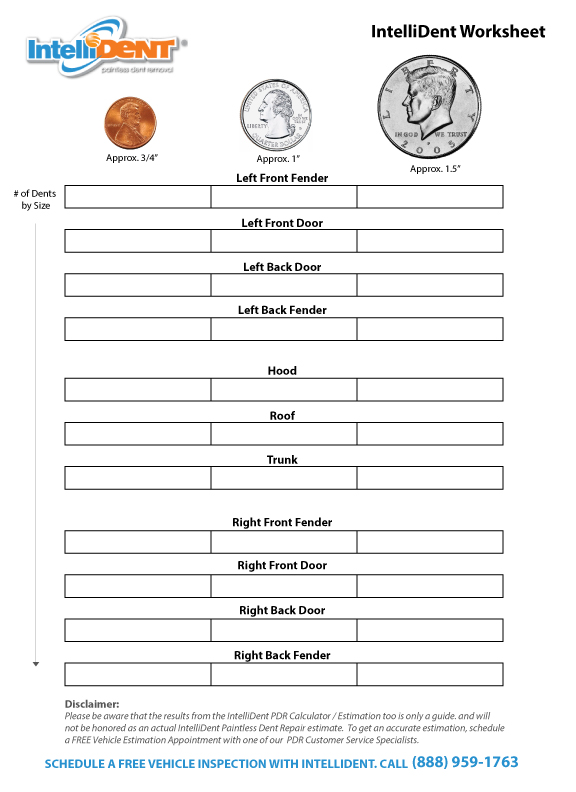
For automotive hail repair, Paintless Dent Repair Work (PDR) has actually become the gold standard in 2026. This process includes using specialized tools to massage the metal back into its original shape from the underside of the panel. It preserves the factory paint finish, which is important for keeping the resale worth of the car. Picking a technician requires looking beyond the cost tag. Effective healing strategies regularly depend on Prioritized Urgent PDR Services to guarantee all technical requirements meet security requirements. High-end lorries with ADAS (Advanced Chauffeur Support Systems) need recalibration if sensing units are situated near the impact zones. A reputable shop in the local vicinity will consist of these calibrations as part of the basic repair work order.
Contractual Protections and Customer Rights
An agreement is the strongest tool a consumer possesses. In 2026, no one must sign a file that includes an "Project of Benefits" (AOB) clause without legal counsel. An AOB provides the specialist the right to get checks directly from the insurance coverage company and file lawsuits in the consumer's name. While this sounds practical, it gets rid of the homeowner's control over the claim and the quality of the final repair.Standard contracts should consist of a clear scope of work, a specified timeline for conclusion, and a "ideal to cancel" period, which is usually 3 to five business days in local jurisdictions. Payments need to be structured around turning points. A common warning is a professional asking for the full insurance check upfront before any materials have been delivered or work has started.
The Role of Independent Appraisers and Public Adjusters
When a conflict develops between the repair cost and the insurance settlement, homeowner in the local region have the alternative to work with a public adjuster. Unlike the adjuster sent out by the insurance coverage business, a public adjuster works solely for the policyholder. They are paid a portion of the final settlement and are trained to recognize overlooked damage like internal wall moisture or attic insulation compression.Independent appraisals act as a happy medium. If the insurance provider and the professional can not agree on a price, an appraiser can supply a binding decision. This system is especially helpful in 2026 for high-value residential or commercial properties or customized cars where basic replacement costs do not reflect the actual market price of the possessions.
Long-Term Value Retention Post-Restoration
The objective of any hail claim is to return the property to its pre-storm condition. For automobiles, this indicates a clean history report. Using PDR rather of conventional body filler and repainting ensures that the car does disappoint indications of "major repair work" in nationwide databases. For homes, it indicates using products that fulfill or go beyond current building regulations in the surrounding area. Paperwork is the last piece of the puzzle. When the repairs are complete, customers must collect all guarantees, lien waivers from subcontractors, and final assessment reports. This documentation is vital when it comes time to sell the residential or commercial property or trade in the car. It shows that the hail repair was carried out to expert requirements which no arrearages remain on the work.Navigating a hail claim in 2026 requires perseverance and a hesitant eye toward unsolicited deals. By concentrating on technical documentation, validating regional qualifications, and preserving control over the insurance coverage funds, consumers can guarantee their residential or commercial property is restored without the tension of predatory practices. Transparency in the repair procedure is the only way to guarantee that the value of the home or lorry is fully safeguarded for the years ahead.

Table of Contents
- – The State of Hail Recovery in 2026
- – Evaluating Structural Integrity and Effect Damage
- – Recognizing Predatory Solicitation Patterns
- – The Modern Claims Process and Digital Document...
- – Technical Standards in Paintless Damage Repai...
- – Contractual Protections and Customer Rights
- – The Role of Independent Appraisers and Public...
- – Long-Term Value Retention Post-Restoration
Latest Posts
Salvaging Your Vehicle: When PDR Defies Total Loss Quotes

Conquering Denied Hail Claims with Expert PDR Documents
Stop Fearing completion of Your Automobile Lease with PDR
Latest Posts
Salvaging Your Vehicle: When PDR Defies Total Loss Quotes
Conquering Denied Hail Claims with Expert PDR Documents
Stop Fearing completion of Your Automobile Lease with PDR